
Research on Bio plastic: Sustainable and ecological materials that cause zero damage to the Environment.
Materials are all around us, but we give very little thought to their impact on our daily lives – where they come from, how they are designed into our products, and finally what happens after we’re finished using them. Humans transformed nature to make our lives convenient only to leave a huge mess for the next generation. How do we solve this crisis that we’ve created?
If we need to prevent waste created by single use plastic products, we need to switch to materials which are sustainable. The ecological benefits of renewable raw materials are clear: they are valuable, environmental friendly, and do not cause health problems.
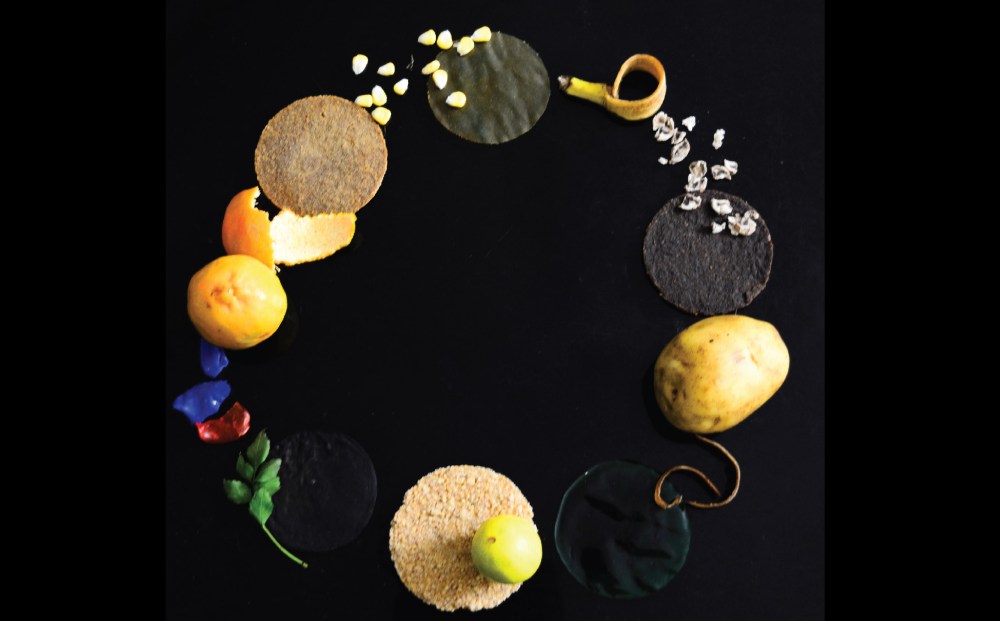
Packaging materials made with renewable resources completing the circle of life.
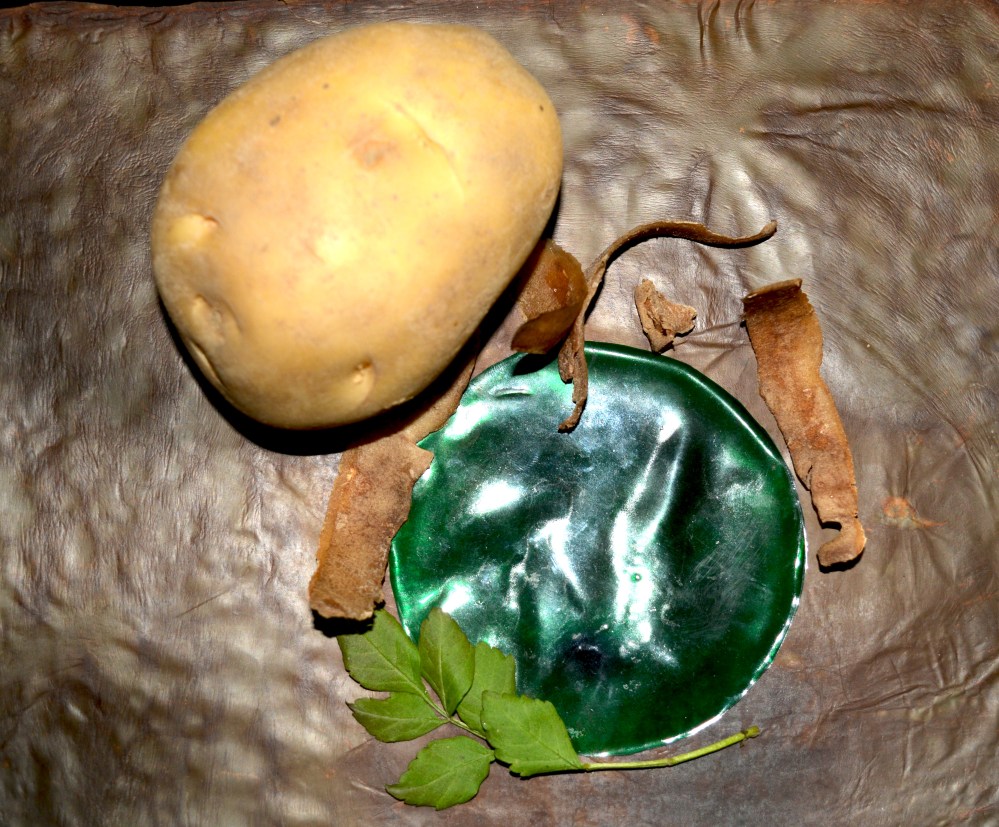
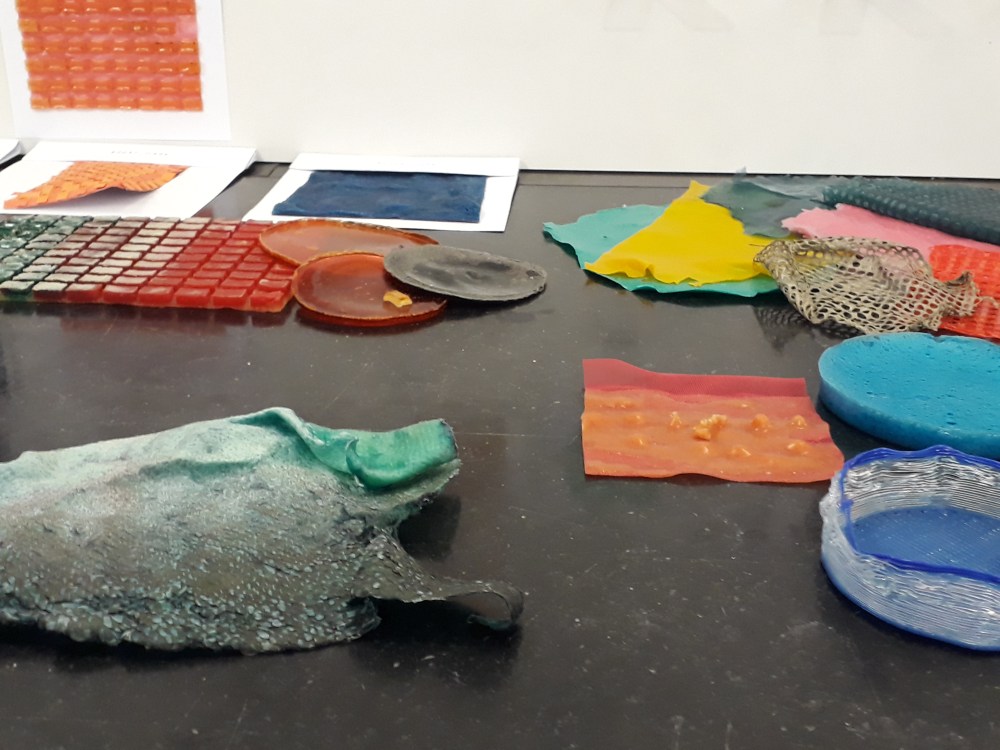
Taking these considerations into account, I began work on my research project, BioTex, which focuses on bio plastics. My approach involved utilizing waste materials that are typically discarded but have the potential to be transformed into raw materials. I used discarded items such as fruit and vegetable peels, as well as exoskeletons from sea creatures, to create materials that have a synthetic plastic-like appearance, but are eco-friendly, sustainable, do not harm marine life, and help keep the environment clean. After conducting numerous experiments, I was able to create a thin, transparent film, a thick plastic wrap, textured sheets, and other materials that can be applied in various ways. These materials promote sustainable production practices and embrace circular or regenerative design principles, which encourage responsible design and consumption.
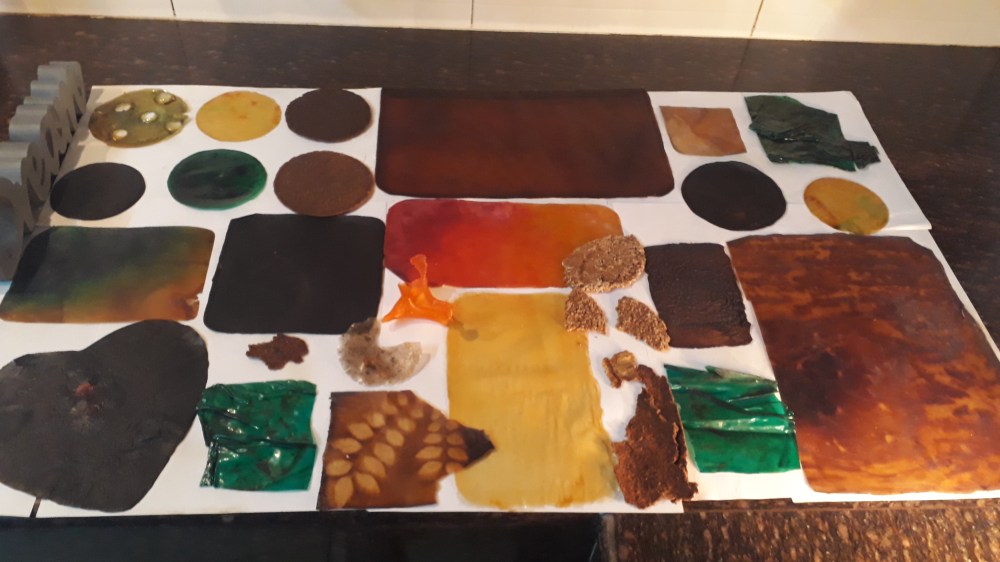
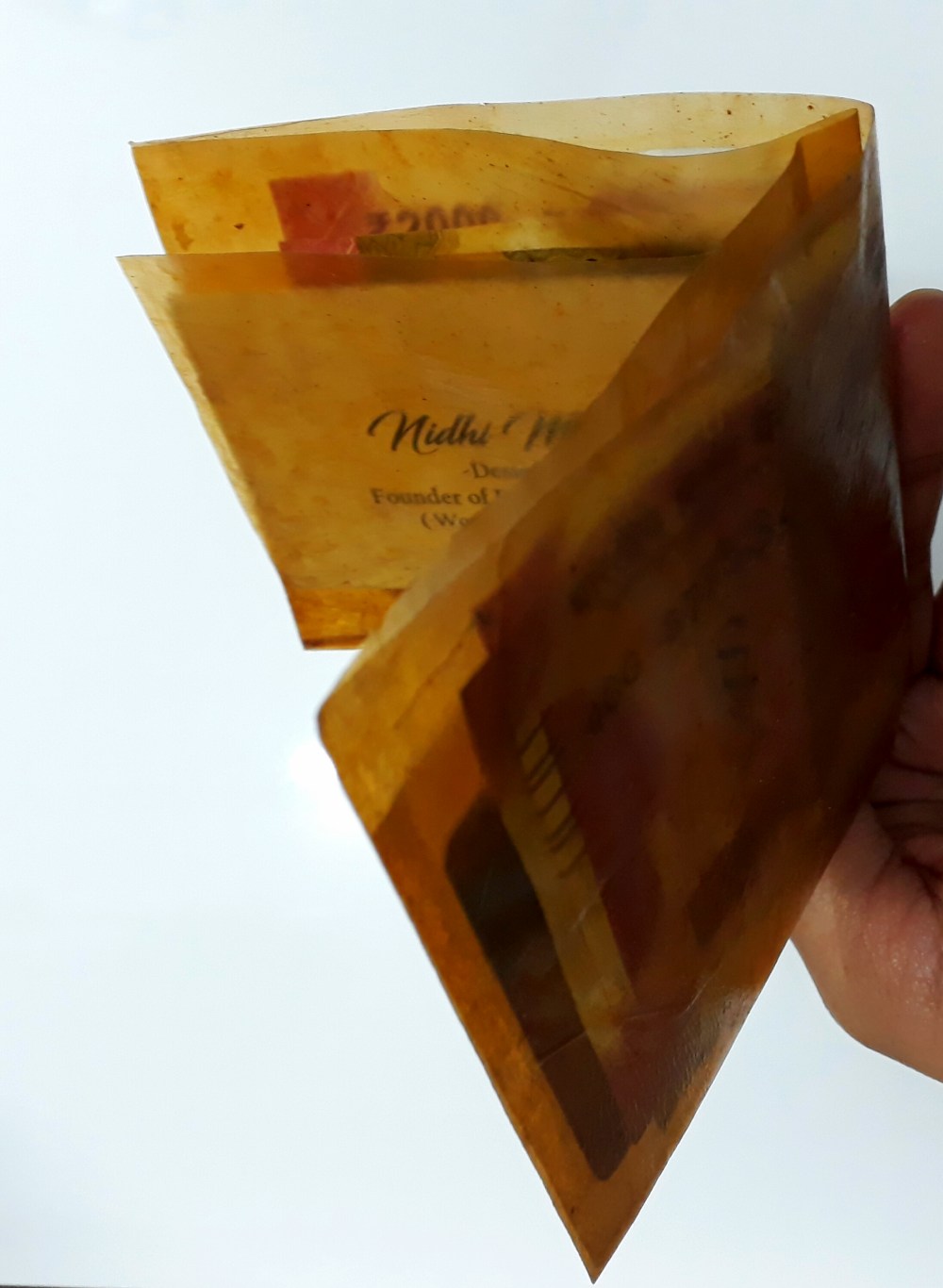


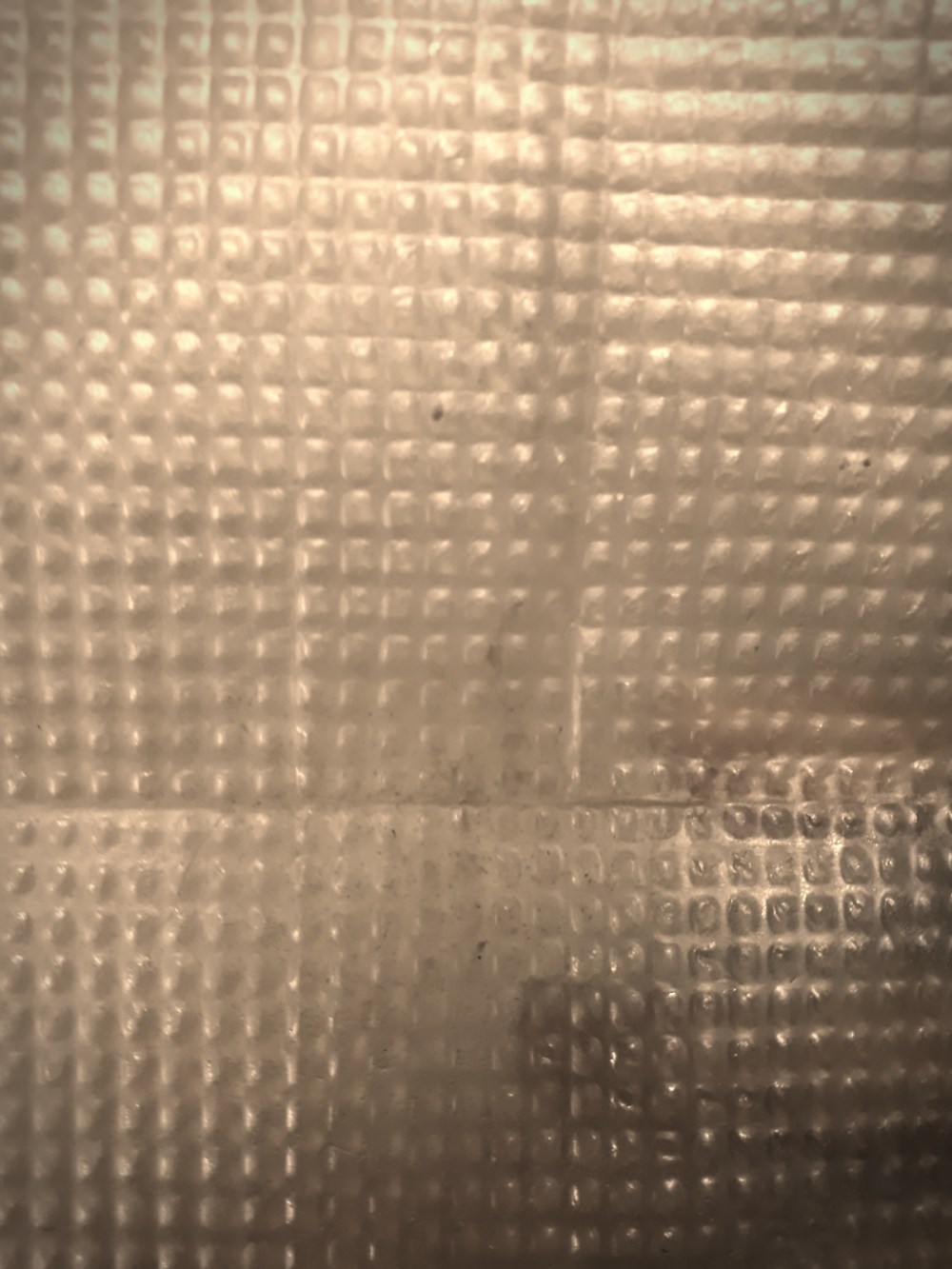
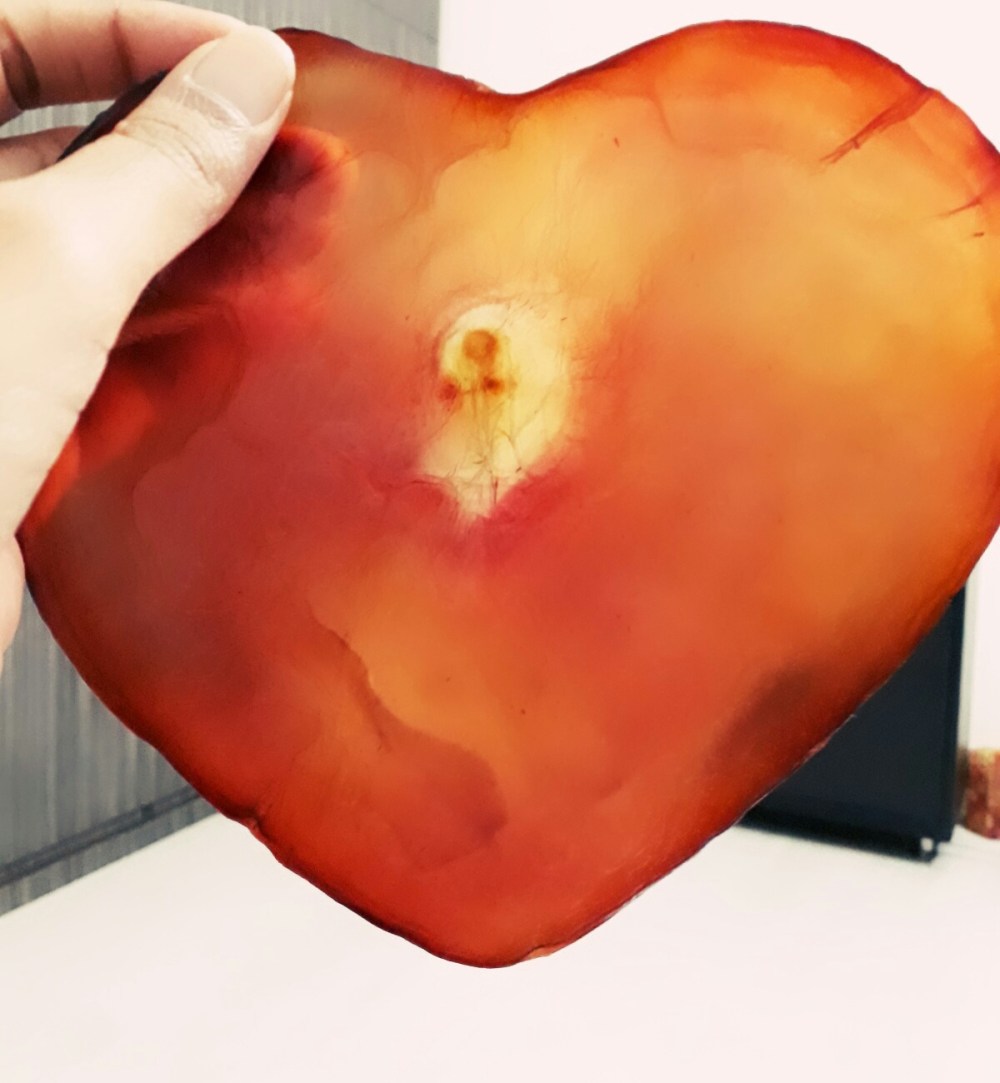






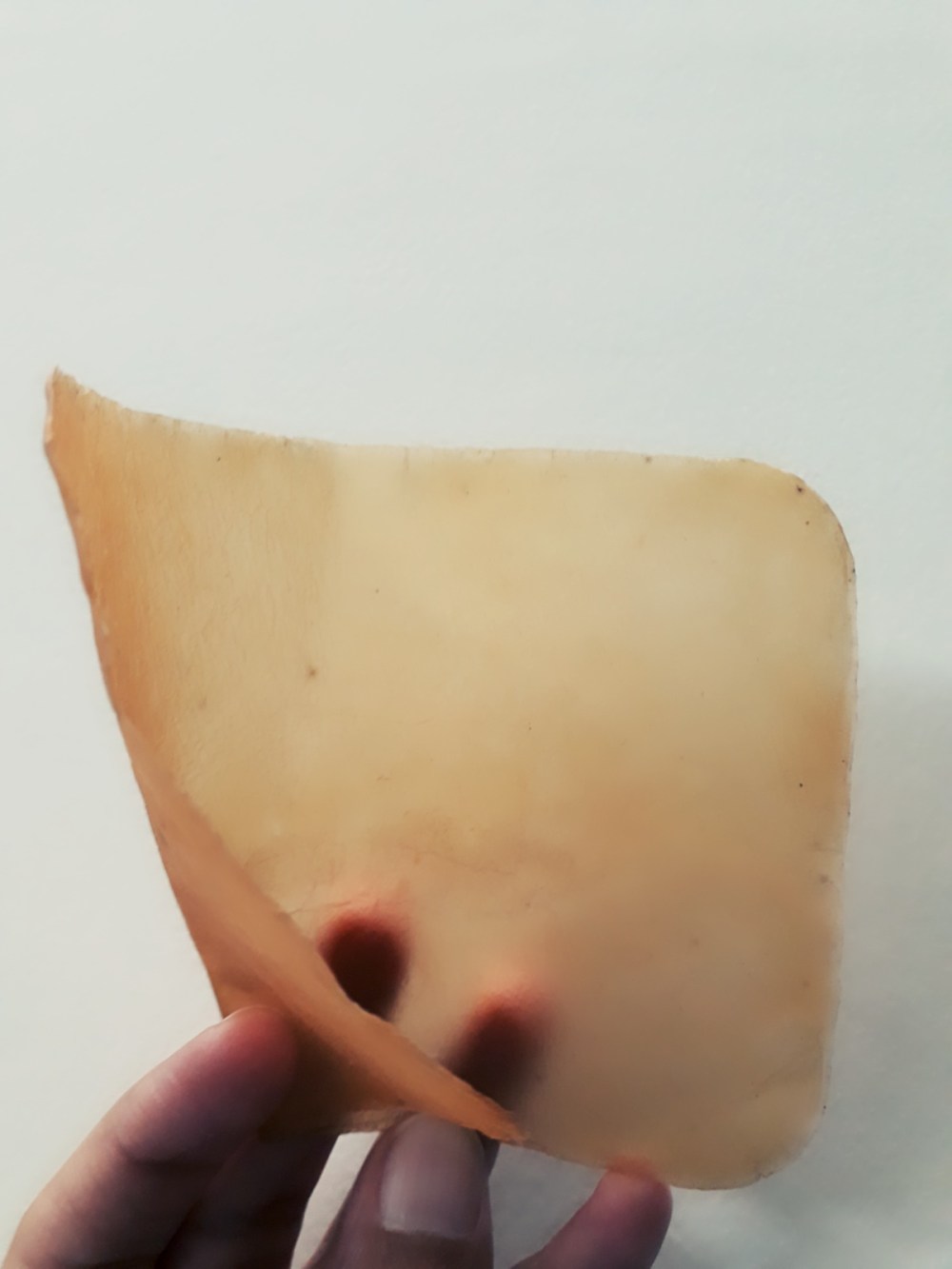

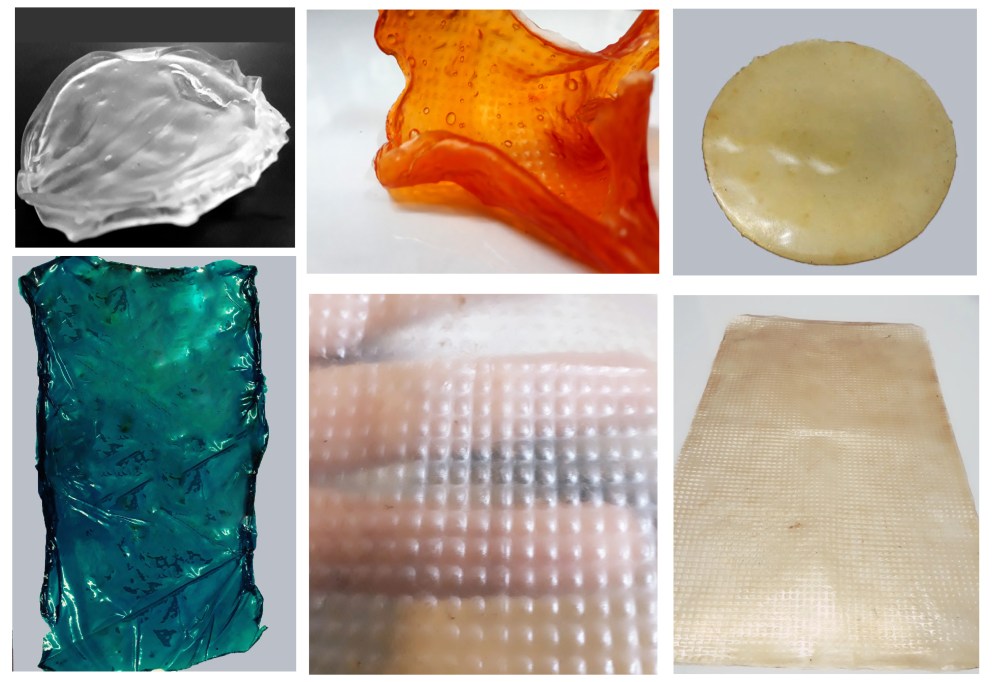
Bio plastic made using a) Rice starch, b) Cornstarch c) Chitosan d) Agar agar e) Kombucha

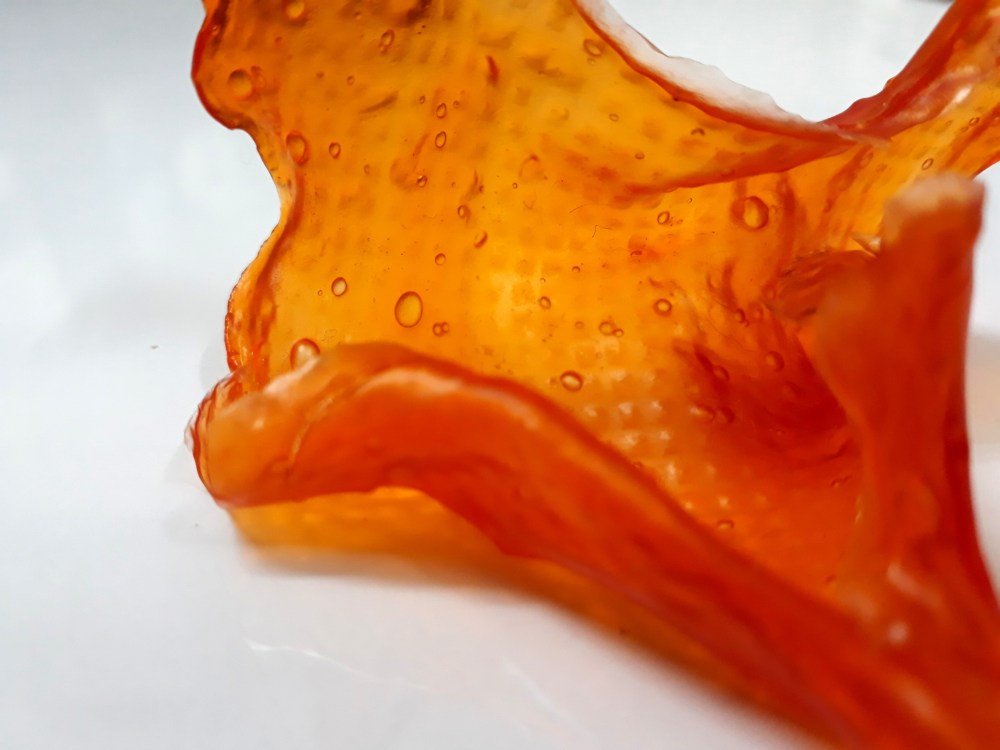


FEATURES:-
- Natural fibers being of organic nature are perishable and their decomposition is a natural phenomenon.
- Bio plastics are transparent, lightweight, strong, flexible, can add safety/stability to packaged goods during transport and are also good oxygen barriers.
- A range of products can be made using these materials – for packaging purposes, to store dry food, for zip locks, and perhaps even PPE like face shields.
- Unlike conventional plastic, which can take hundreds of years to decompose in a landfill, bio plastics can break down using naturally occurring processes.
- It is best to compost bio plastics in a hot and aerobic environment.
I hold a firm belief that packaging plays a crucial role in reducing waste. Single-use plastics should not be designed to last, but instead, should be created to biodegrade. With this project, I aim to discover a sustainable solution that not only utilizes more agricultural and seafood waste, but also transforms today’s waste byproducts into valuable co-products.

 nidhimittal.in